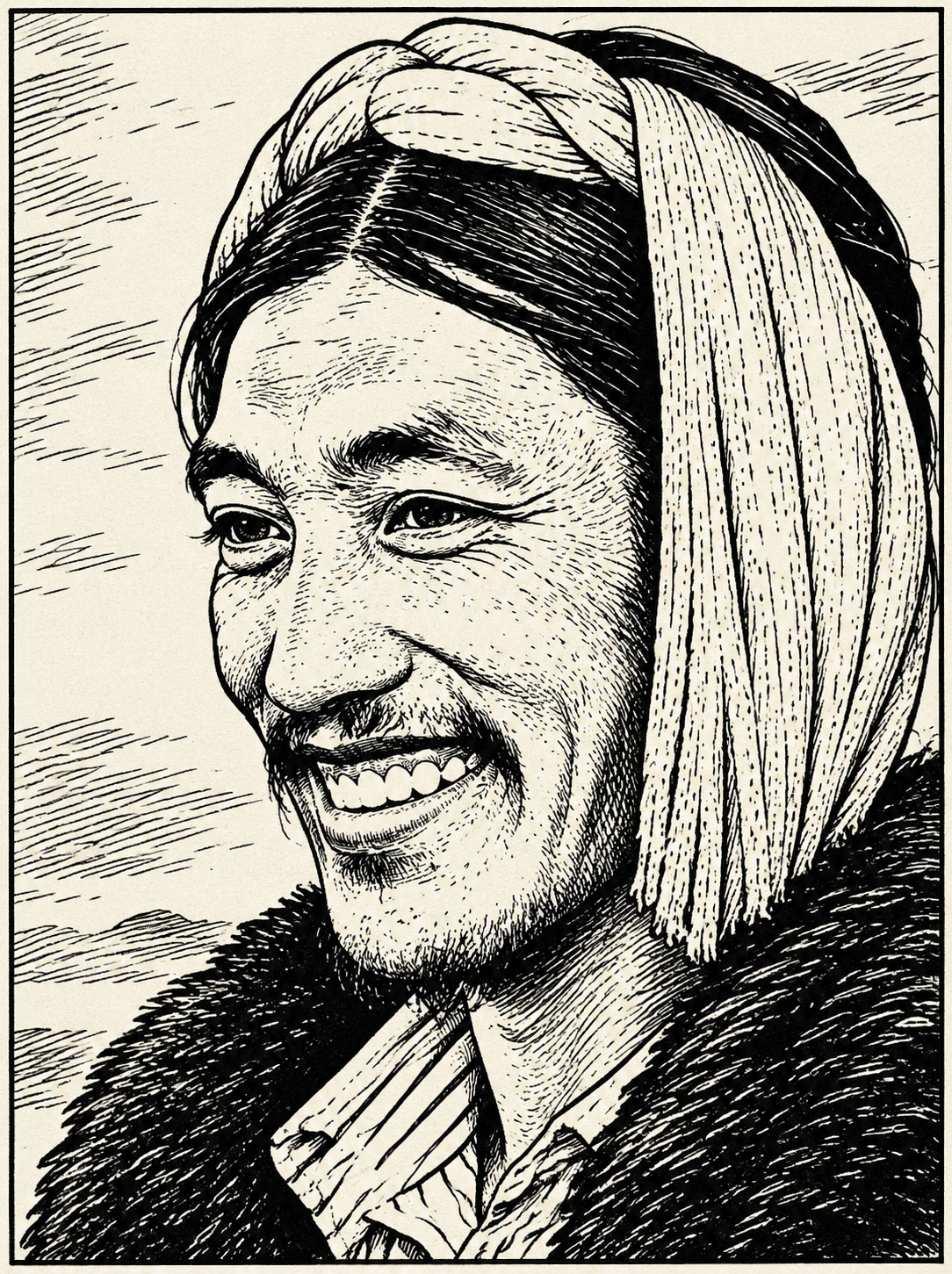
Nomadic communities have traditionally lived across the highlands of Kham, moving seasonally with their herds of yaks, sheep and horses in search of pasture. Their way of life is closely connected to the mountains, grasslands and changing seasons of the Tibetan Plateau.Today, although many nomadic families have settled or adopted a more permanent way of life, pastoralism remains an important part of the cultural identity and rural economy of Kham. Traditional knowledge, livestock herding and strong connections with the land continue to shape everyday life in many highland communities.
KEY INFORMATION
Dates: 22 Agust-2 September 2027
Price: € 4,790 per person
Duration: 12 days
Start/End: Chengdu (Sichuan)
Group Size:8 participants
KHAMPA REGION, SICHUAN
In the far west of Sichuan, the Khampa region forms part of the historic cultural landscape of Kham, one of the traditional regions of the Tibetan world. Here, high mountains, deep valleys, grasslands and remote settlements create a remarkable landscape where Tibetan Buddhist traditions remain deeply rooted in everyday life.
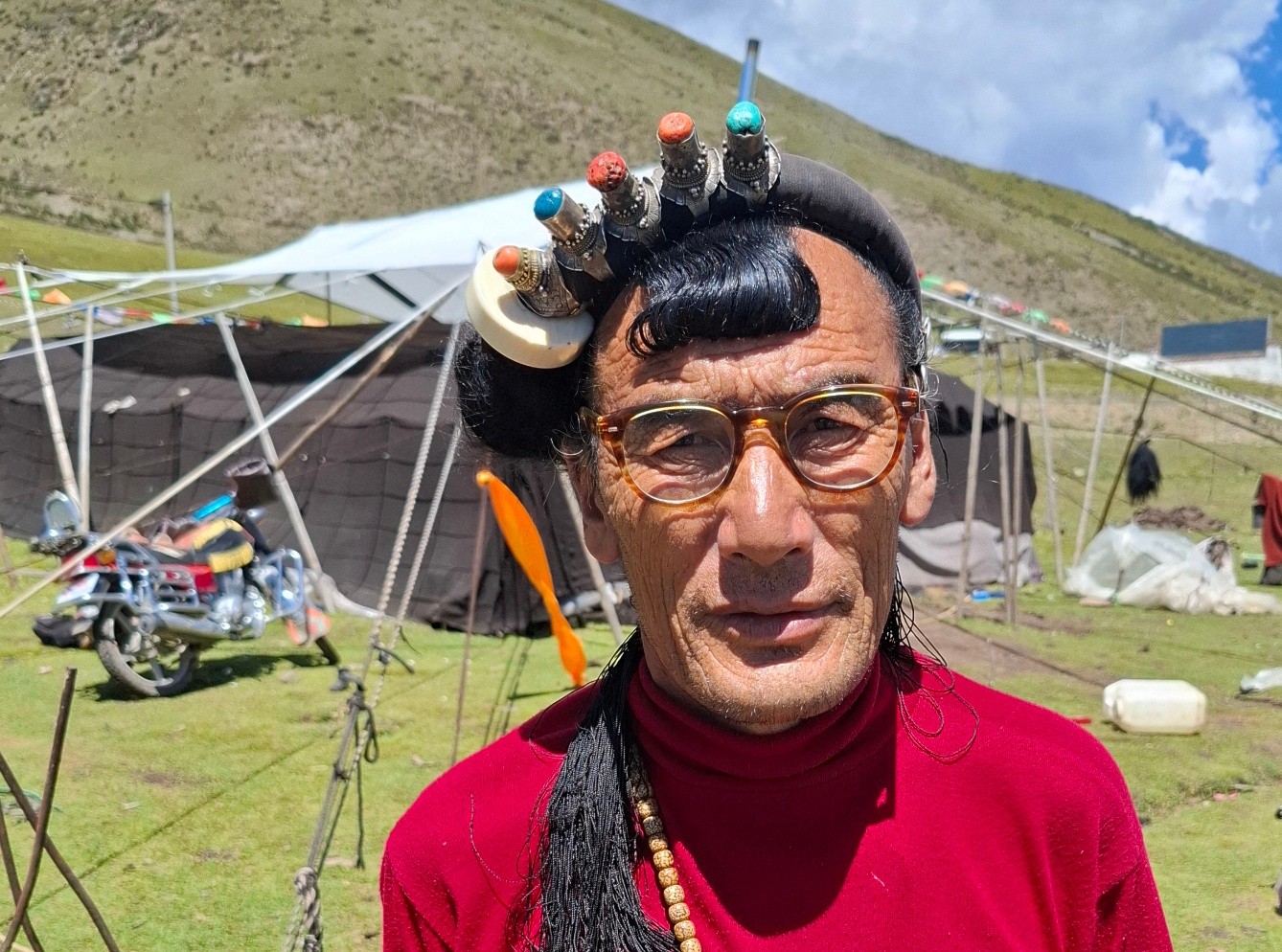
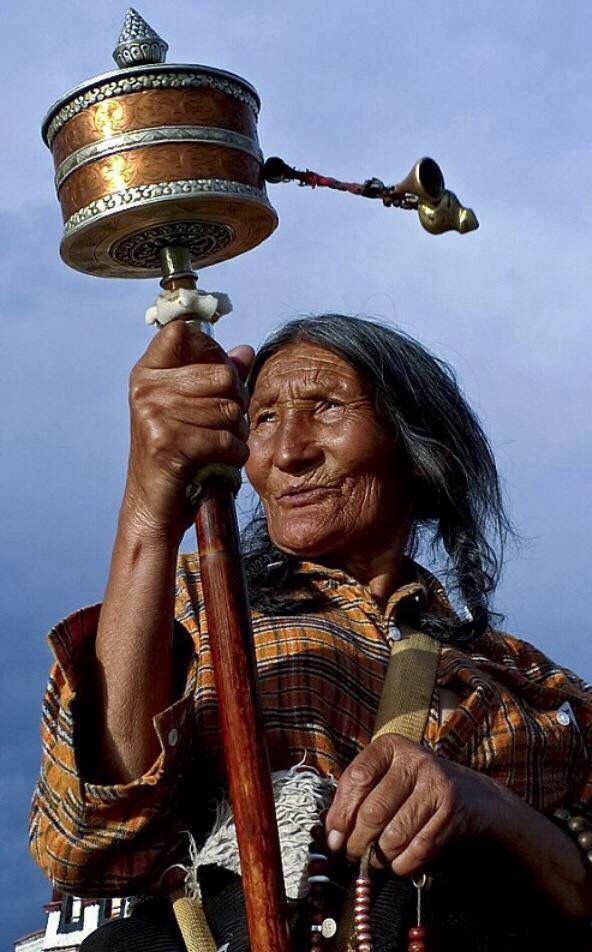
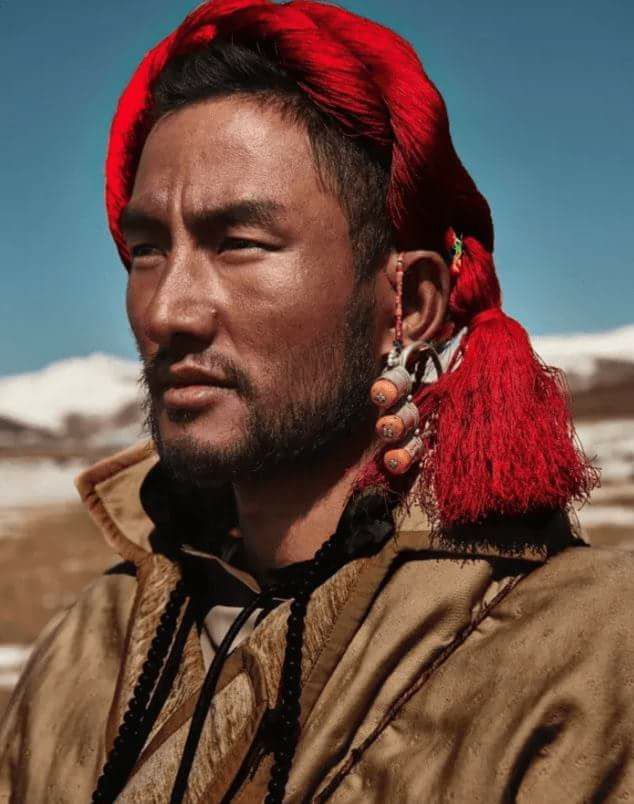
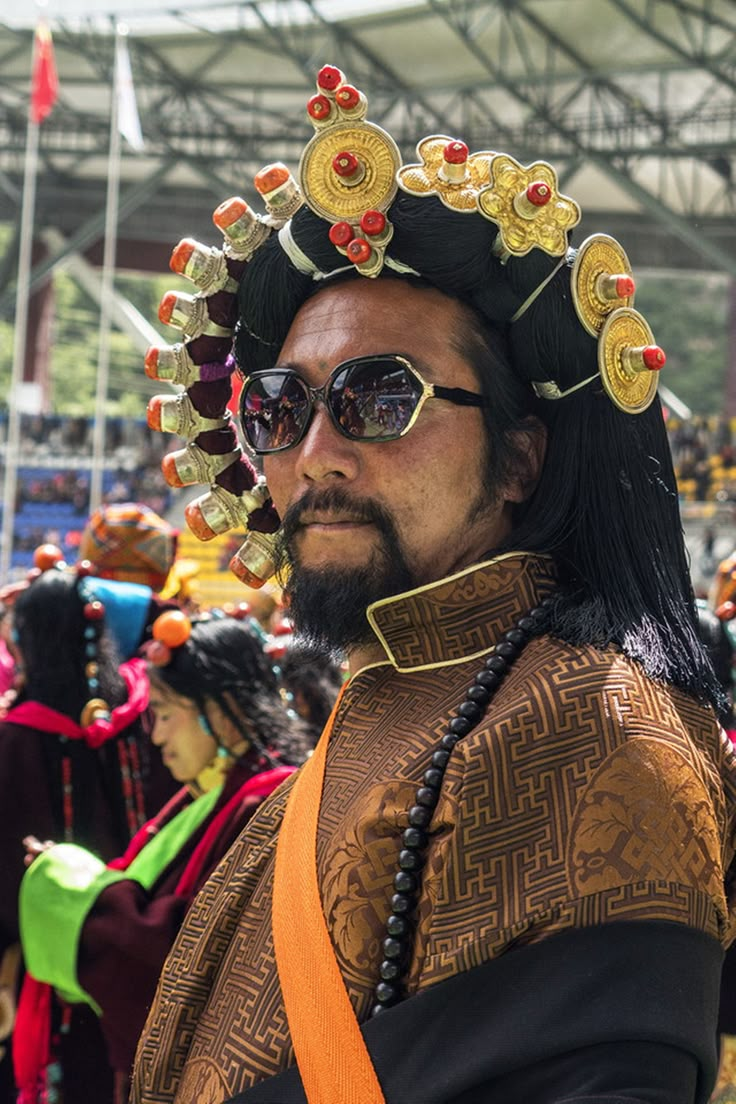
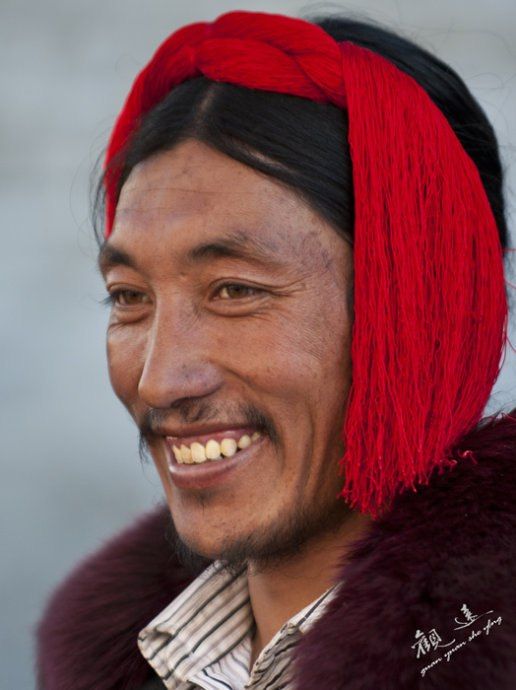
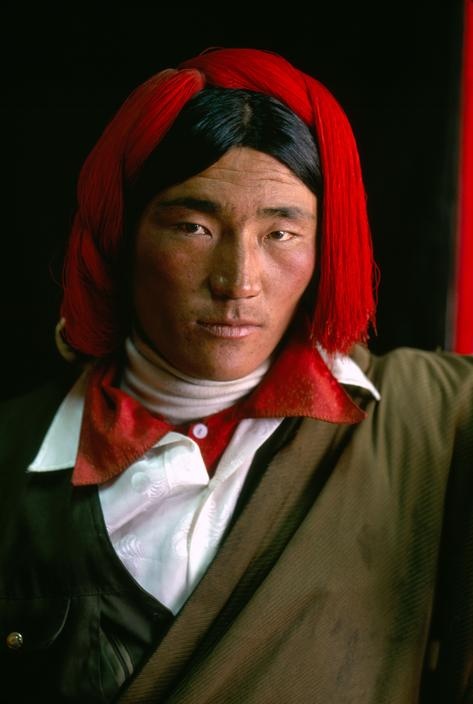
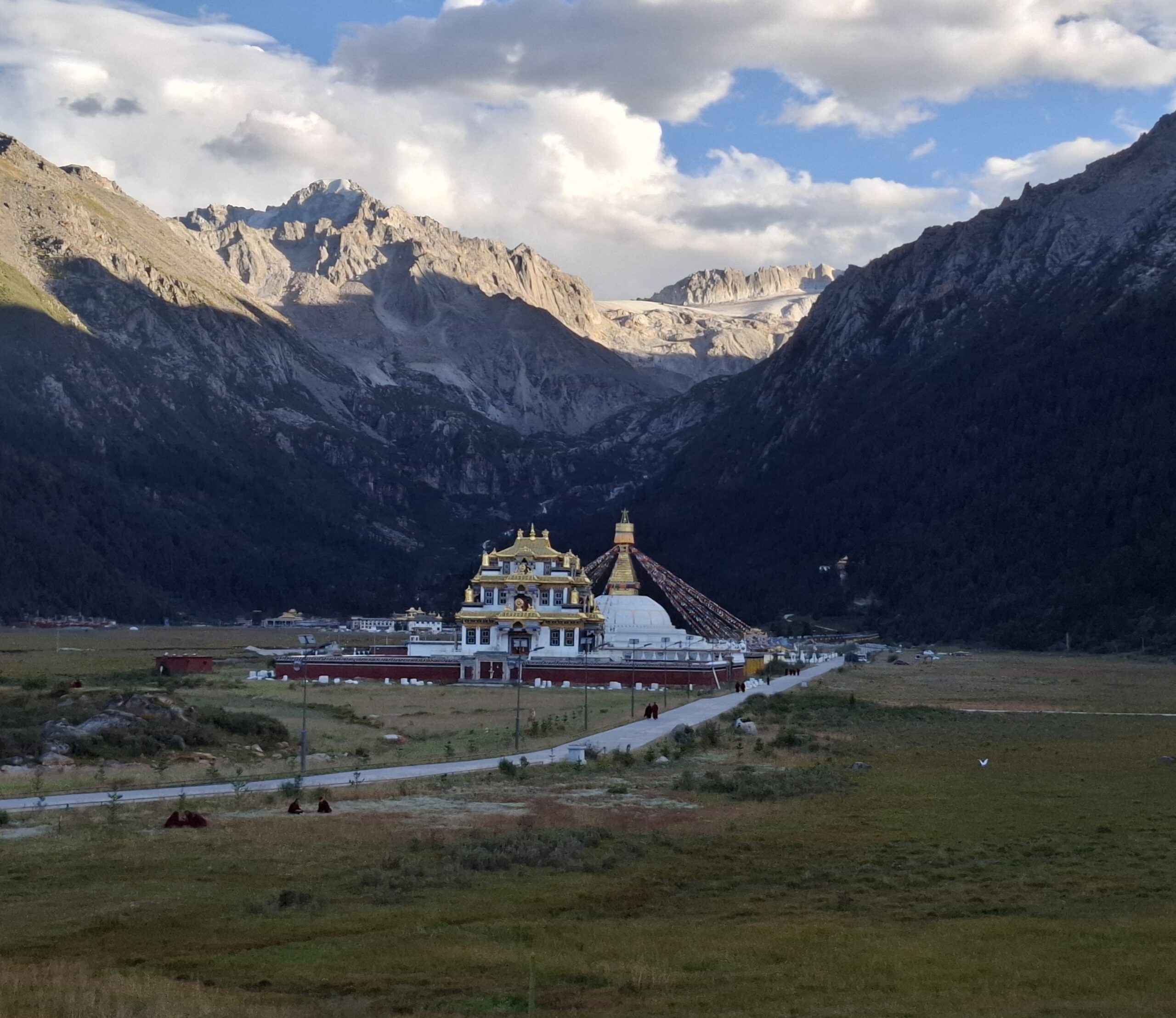
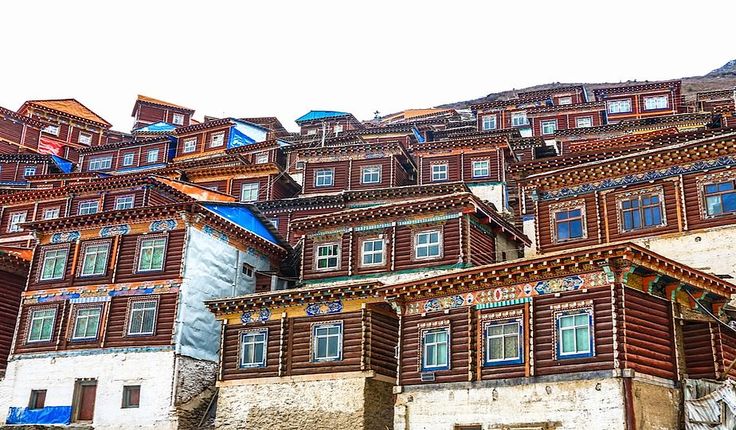
KHAM NOMADS
22 August
Arrival in Chengdu
International flight to Chengdu, the capital of Sichuan Province. Chengdu is a major cultural and economic centre in south-western China. The city is famous not only as the home of the giant panda, but also for its vibrant nightlife, spicy cuisine and its historical role along the ancient Silk Road.
23 August
Flight Chengdu – Garze (Ganzi) – Dege
Flight to Garze (Ganzi), followed by an overland journey to Dege.
Visit to Dege Parkhang (Sacred Printing House of Dege): Founded in 1729, this Tibetan printing house is one of the most important institutions in the Tibetan Buddhist world. It is still used today to produce religious texts using traditional methods. We will observe the printing process firsthand and admire its remarkable collection of hand-carved wooden printing blocks.
Interesting fact: Dege is known as the “Library of Tibet” due to the vast number of religious and literary texts preserved here.
24 August
Dege – Baiyu – Lake Tsopu
Khaduk Monastery in Baiyu: Located in a mountainous setting, this Tibetan Buddhist monastery offers spectacular views and an atmosphere of serenity. Travellers can explore its chapels and learn about local religious practices.
Lake Tsopu: A natural jewel surrounded by mountains, ideal for a walk or a moment of meditation beside its crystal-clear waters. Situated at high altitude, this sacred lake is an important pilgrimage site for Tibetans. The surrounding scenery of mountains and grasslands is truly impressive.
25 August
Lake Tsopu – Litang
Visit to the ancient town of Litang, birthplace of the Seventh Dalai Lama. Visitors can explore the old streets and traditional houses, gaining insight into life in past centuries.
Litang is one of the highest towns in the world, located at over 4,000 metres above sea level, and holds great historical and cultural significance in Tibetan history. Its monastery and surrounding landscapes offer magnificent views of snow-capped peaks.
26 August
Litang – Xinlong – Manigange
Visit to Litang Monastery, one of the largest and oldest Buddhist monasteries in Kham. Travellers can explore its impressive architecture and experience the spiritual energy that emanates from this sacred place.
Tibetan religious practices are closely intertwined with the monastery’s sacred architecture and artistic heritage. Founded in 1580, it remains one of the most important monasteries in Tibetan Buddhism and has served as a center of religious and cultural activity for centuries.
27 August
Manigange
Visit to Dzogchen Monastery, a key centre of the Nyingma school of Tibetan Buddhism. This monastery gave rise to an important tradition of meditation and spiritual teaching.
Founded in the 17th century, it is one of the principal monasteries of the Nyingma tradition and remains a renowned centre of learning and meditation, with a profound influence on Tibetan spiritual practice.
Visit to Yulong Lhatso: A spectacular mountain lake surrounded by glaciers and sacred peaks, ideal for photography and enjoying nature in its purest form. According to local legend, it is considered a sacred site by Tibetans. Travelers can appreciate the tranquility and natural beauty of this unique setting.
28 August
Manigange – Garze (Ganzi)
Gala Jokhang and Garze Monasteries: These monasteries house some of the most treasured Tibetan Buddhist relics and offer spectacular views of the surrounding countryside. Both monasteries are important spiritual centres within the region, known for their rich history and impressive architecture. Gala Jokhang is renowned for its religious rituals and spiritual atmosphere, while Garze Monastery offers magnificent views of the surrounding mountain landscapes.
29 August
Garze (Ganzi)
Visits: Stupa Park: This park is home to a massive Tibetan stupa (a sacred Buddhist structure), symbolising enlightenment and peace. Visitors may walk through the park and participate in meditation or local prayers.
Gesar Park: Dedicated to King Gesar, the legendary hero of Tibetan folklore. The park provides an opportunity to learn about Tibetan stories and epic traditions while enjoying the surrounding natural environment.
Shengkang County: A rural area characterised by beautiful landscapes and traditional villages. Visitors can experience everyday Tibetan life in a more authentic countryside setting.
30 August
Garze (Ganzi) – Kangding
Visit to the Luhuo Thangka Museum, which displays masterpieces of Thangka art, traditional Tibetan Buddhist religious paintings depicting deities and Buddhist scenes.
This museum is a cultural treasure where visitors can learn about the artistic techniques and traditions behind these works, which are used in devotional practices and religious ceremonies.
31 August
Kangding – Chengdu
Return journey by road to Chengdu. Free time to continue exploring Chengdu.
1 September
Chengdu
Free day in Chengdu before the return flight.
2 September
Chengdu – Return flight
Departure on a return flight home
What’s included:
✓ Specialized guide
✓ Transfers as specified in the itinerary
✓ Transportation in a private vehicle with driver and fuel
✓ Accommodation in the hotels or camp throughout the journey
✓ Visits and experiences mentioned in the itinerary
✓ Permits
✓ Collective equipment
What’s Not Included:
✗ Flights & airport taxes
✗ Chinese visa
✗ All meals and beverages throughout the trip
✗ Rescue insurance
✗ Any additional activities
✗ Entrance fees to national parks, archaeological sites and museums
✗ Personal gear
✗ Tips
✗ Personal gear
✗ Tips