
Animism is an important part of the traditional belief systems of some communities in the Solomon Islands. In animist worldviews, aspects of the natural world, including forests, rivers, mountains and particular places, may be understood as having spiritual significance or being associated with ancestral beings and spiritual powers. These beliefs can influence relationships with the land, customary practices and community rituals. In parts of Malaita, including among some Kwaio communities, traditional beliefs and ancestral customs continue to hold cultural significance, alongside Christianity and other influences. Beliefs and practices vary between communities and should not be treated as uniform across the archipelago.
KEY INFORMATION
Dates: 1-17 April 2027
Price: € 5,895 per person
Duration: 10 days
Start/End: Honiara-The Solomon Islands
Group Size: 10 participants
THE MORO KASTOM MOVEMENT ON GUADALCANAL, SOLOMON ISLAND
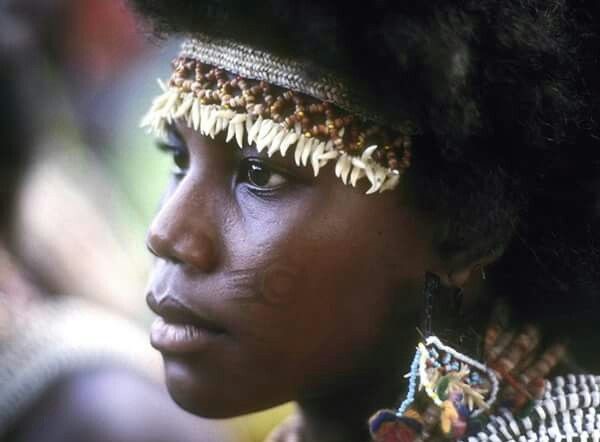
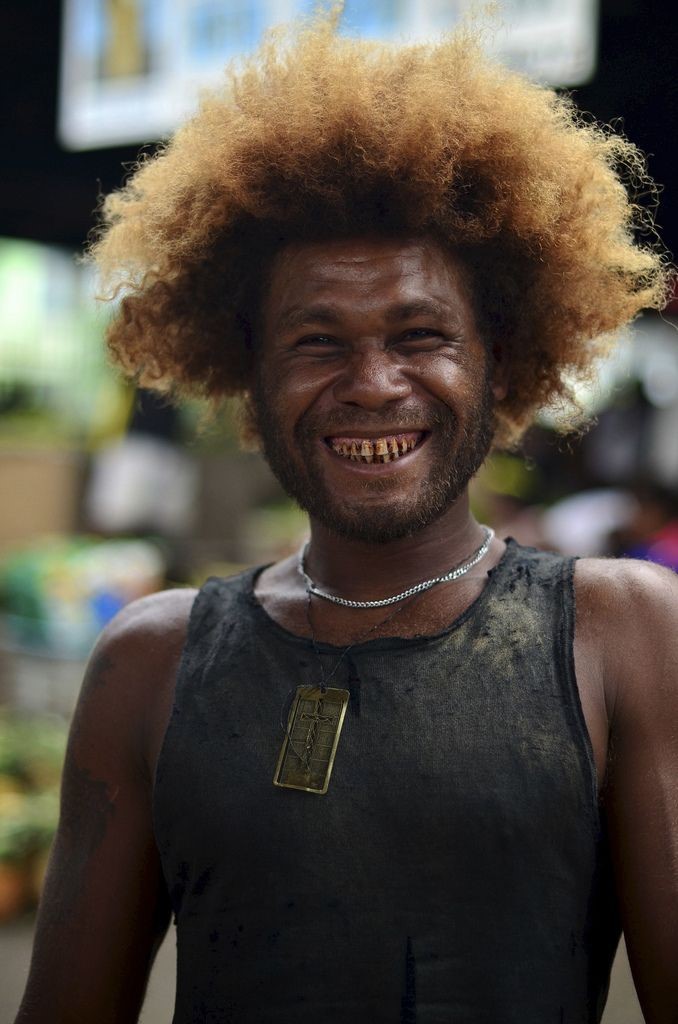
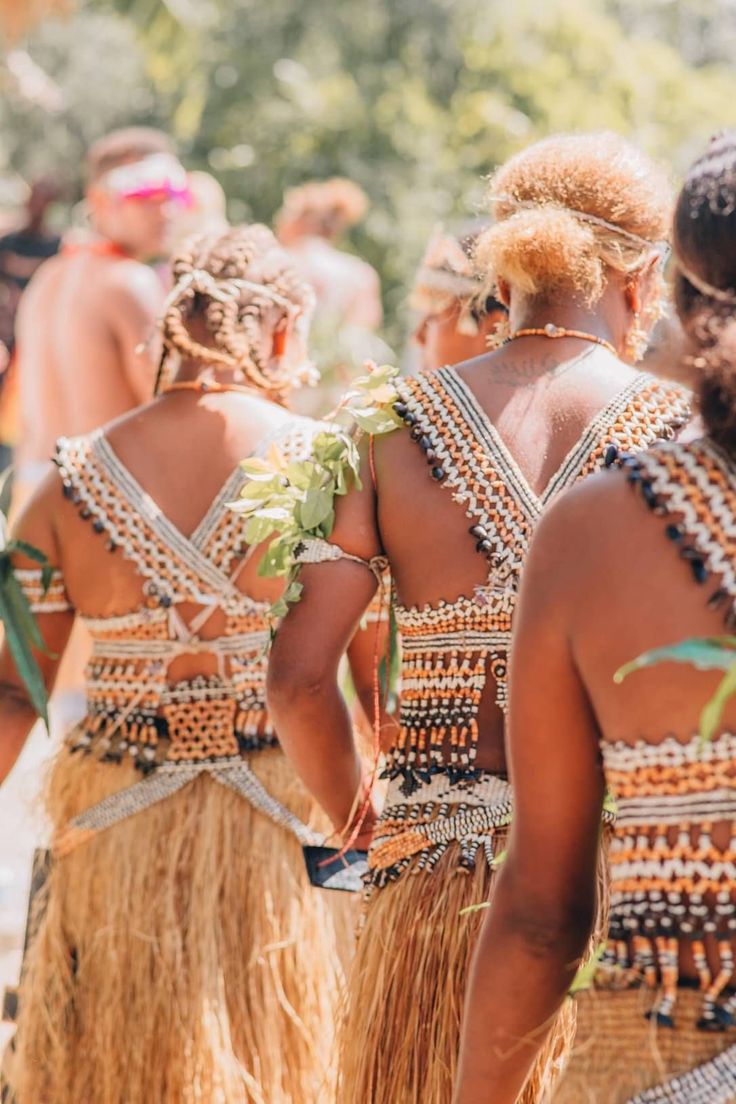
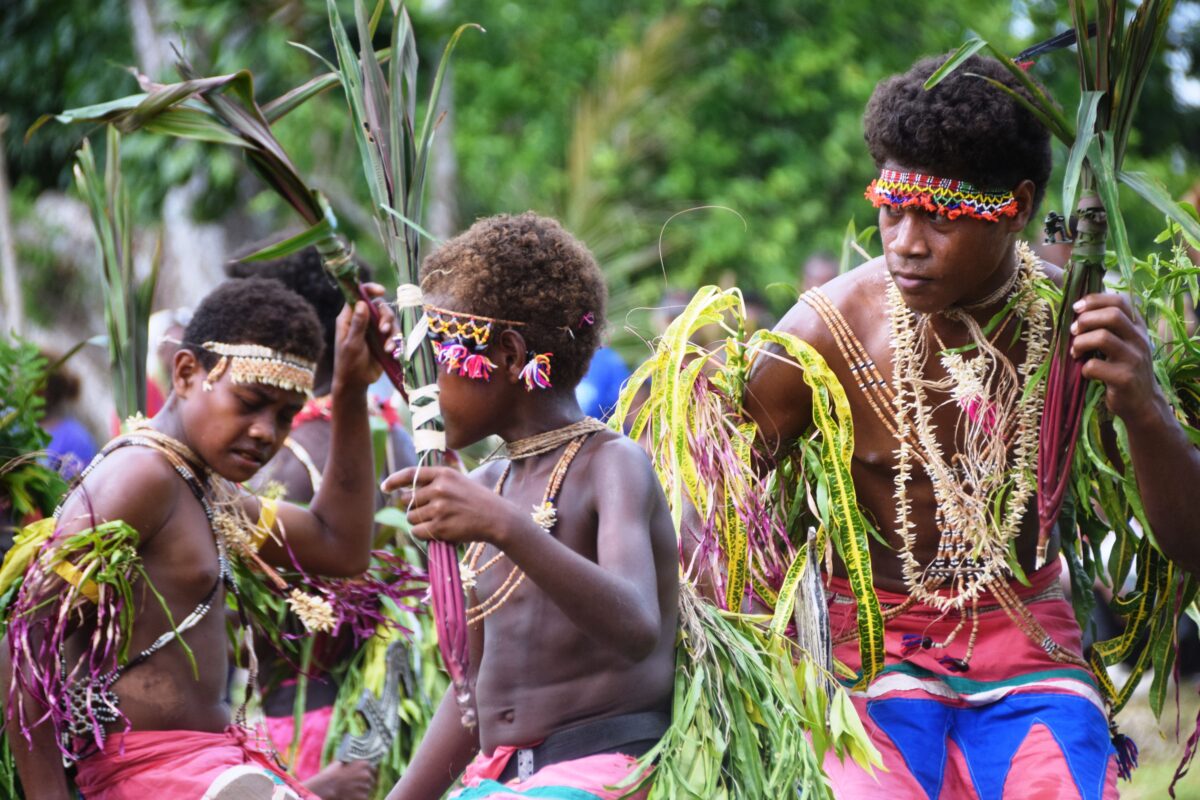
Kastom in The Solomon Islands
1 July
Arrival in Honiara- Guadalcanal Island
Arrive in Honiara, the capital of the Solomon Islands, situated on the north coast of Guadalcanal. Allow time to recover from the international journey, organize supplies and make the necessary arrangements for travel to Malaita. Depending on arrival time, the day can be used to familiarize yourself with the town and prepare for the expedition.
2July
Honiara- Melanesian city
Honiara, the capital of the Solomon Islands, located on the north coast of Guadalcanal. Explore the city center, beginning at Honiara Central Market, where local vendors sell fresh produce, fish and traditional crafts. Continue to Point Cruz and Mendana Avenue, the main commercial area, before visiting the Solomon Islands National Museum and the National Art Gallery, which showcase aspects of the country’s cultural heritage and artistic traditions. If time permits, visit the Guadalcanal Memorial for panoramic views over the city.
3 July
Honiara- boat to Auki- Malaita Island
Travel by boat from Honiara to Auki, the main town of Malaita Province. The crossing provides an introduction to the maritime geography of the Solomon Islands. Auki serves as the starting point for onward transport and for making arrangements with local guides and host communities before heading toward East Kwaio.
4 July
Auki – East Kwaio- Malaita Island
Travel inland towards East Kwaio, arranging local transport and a guide familiar with the area. The journey enters a rural landscape characterized by tropical vegetation, agricultural areas and settlements with varying levels of road access.
5 July
East Kwaio- Traditional Kwaio Communities – Malaita Island
Spend the day exploring the surrounding area with a local guide and members of the host community. Walking routes may pass through cultivated land, forested areas and rural settlements. Allow sufficient time for interaction with local residents and for adapting to the pace of travel in a remote region.
6 July
East Kwaio- Animist People- Malaita Island
Spend the day learning about Kwaio cultural traditions and the importance of kastom, the local concept encompassing customary practices, social values and traditional ways of life. Visits should take place only with the agreement of community leaders and hosts. Depending on local arrangements, there may be opportunities to learn about traditional practices and everyday village life. Traditional beliefs and customary practices remain important to some Kwaio communities, although beliefs and lifestyles vary between individuals and groups.
7 July
East Kwaio- Cultural inmersion- Malaita Island
Continue the cultural visit, allowing time for conversations with local residents and participation in activities that the community chooses to share. Respect local protocols, seek permission before taking photographs and follow the guidance of hosts when entering customary land or visiting culturally significant places.
8 July
East Kwaio- Animist People- Malaita Island
Spend another day in the area, with a flexible programme based on local conditions and the availability of community hosts. The day may include short walks, visits to nearby settlements and further opportunities to understand the relationship between traditional customs, the natural environment and contemporary life in Malaita.
9 July
East Kwaio- Animist People- Return to Auki- Malaita Island]
Leave the East Kwaio area and return towards Auki. Depending on the location of the host community, the return journey may combine walking with road transport. Allow additional time for changing weather, difficult road conditions and coordination with local drivers or guides. Arrival to Langa Langa People’s Territory.
10 July
Langa Langa Lagoon, Malaita Island: Traditional Shell Money and Coastal Life Explore the cultural heritage of the Langalanga people along the coast of Langa Langa Lagoon, near Auki, on the western side of Malaita. The lagoon is known for its distinctive tradition of shell money production, an important element of local identity and customary exchange. Subject to arrangements with local hosts, observe how shells are processed, shaped, polished and strung into traditional valuables. Learn about their use in marriage exchanges, compensation for disputes and ceremonial occasions, as well as their role in contemporary livelihoods. The day may also include an introduction to fishing; maritime activities and the history of settlements built on artificial islands within the lagoon. |
11 July
Langa Langa Lagoon, Malaita Island: Community Life and Maritime Traditions]
Continue exploring the cultural landscape of Langa Langa Lagoon through its relationship with the sea, local trade and community life. Learn how fishing, shell money manufacture, boatbuilding and the exchange of marine resources have contributed to the livelihoods of Langalanga communities. Where appropriate and with the community’s permission, visit a coastal settlement or an artificial island to understand how these places are organised and how their inhabitants have adapted to living in a lagoon environment. Discussions with local residents can also provide insight into changing livelihoods, the transmission of traditional knowledge and the relationship between customary practices and the modern economy.
12 July
Auki- boat to Honiara- Guadalcanal Island- boat to Moro Tribe]
Take a passenger boat from Auki to Honiara, subject to the confirmed sea conditions. Continue towards the agreed meeting point for the Moro community on Guadalcanal, using locally arranged transport. The land journey and any further boat transfers will depend on the specific community being visited.
13 July
Visit Moro Tribe- Cultural immersion – Guadalcanal Island
Spend the day with the host community, learning about its history, cultural identity and customary practices. The programme should be organized with local representatives, who can determine which activities, places and traditions are appropriate to share with visitors. Allow time for conversations and for adapting to local arrangements.
14 July
Moro Tribe- return to Honiara- Guadalcanal Island
Leave the Moro community and return to Honiara using the transport arranged for the visit. Depending on the location, this may involve a combination of walking, road transport and potentially a boat transfer. Once back in the capital, allow time to rest and prepare for the international departure.
15 July
Honiara- Ethnography and Cultural Heritage
Explore the cultural diversity of the Solomon Islands through its traditional arts, material culture and everyday community life. Visit the Solomon Islands National Museum to learn about the country’s cultural heritage, followed by the National Art Gallery, which represents artistic practices such as wood carving, pandanus weaving, tapa cloth printing and shell-money jewellery. Continue to Honiara Central Market and the Craft Market to observe local trade and the contemporary role of traditional crafts. Subject to advance arrangements, an excursion to Hotomai Cultural Village, in Central Guadalcanal, offers an opportunity to learn about traditional weaving, cooking, gardening, chants and dance through activities shared by local hosts.
16 July
Honiara: Second World War Heritage
Discover Guadalcanal’s role in the Pacific campaign of the Second World War, particularly the Battle of Guadalcanal, fought between August 1942 and February 1943. Begin at the Guadalcanal American Memorial, on Skyline Drive, which commemorates American and Allied personnel who lost their lives during the campaign. Continue to Henderson Field, the strategically important wartime airfield now associated with Honiara International Airport. If transport and time permit, visit Bonegi Beach, known for its Second World War shipwrecks, or arrange a guided excursion to the Vilu War Museum, where aircraft wreckage and military equipment from the conflict are displayed. These visits provide insight into the military history of Guadalcanal and the lasting impact of the war on the islands.
17 July
Honiara. Departure on a return flight home
Transfer to airport. Depending on the international flight schedule, the day may be used to organize luggage, purchase essential supplies and make any final arrangements.
Includes:
✓ Specialized guide
✓ Transfers mentioned in the itinerary
✓ Accommodation in the hotels or camp throughout the journey
✓ Visits and experiences mentioned in the itinerary
✓ Permits
✓ Collective equipment
Not included:
✗ Flights & airport taxes
✗ Rescue insurance
✗ Any additional activities
✗ Entrance fees to national parks, archaeological sites and museums
✗ Personal gear
✗ Tips